
Mainstream Media vs Alt Media The Battle for Truth and Censorship
Information has never been easier to find, or harder to trust. A breaking story can move from a livestream to a cable panel to a fact-check page in minutes. A rumor can do the same. That speed has turned news into a fight over attention, trust, and power.
Mainstream media and alternative media both claim to protect the public from deception. Both also have incentives that can distort what they show, what they ignore, and how they frame reality. The result is a messy battle where censorship, propaganda, audience capture, and real journalism all collide.
The question is not whether one side always lies and the other always tells the truth. That is too simple. The better question is harder: who benefits when a story is amplified, buried, labeled, or mocked?
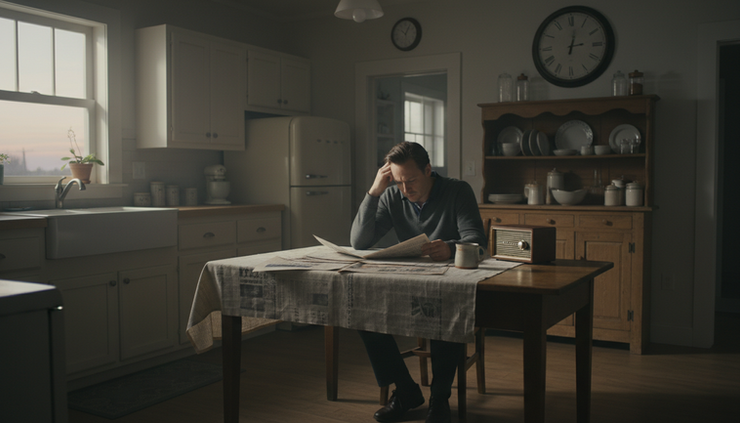
Mainstream media still controls the frame
Mainstream media, often called MSM, includes legacy newspapers, cable news networks, broadcast channels, and large digital newsrooms. These outlets still matter because they shape the first draft of public consensus.
They have large staffs, legal teams, editors, sources inside government, and long-standing access to powerful institutions. That can produce serious reporting. It can also create a closed loop.
Access journalism rewards reporters who stay close to officials, agencies, campaigns, corporations, and think tanks. A journalist who burns every source may lose the next leak, the next interview, or the next invitation. That pressure does not always lead to fake stories. More often, it leads to softer coverage, selective curiosity, and careful wording around powerful interests.
The most dangerous bias in major news is not always what gets said. It is often what gets treated as serious enough to discuss.
A story can be shaped by:
Which expert appears on air
Which words appear in the headline
Which facts get placed in paragraph two versus paragraph twenty
Which story gets a week of coverage and which gets one segment
Which questions are framed as dangerous before the public hears the answers
This is how narratives harden. Not always through a secret order. Often through shared assumptions inside the same professional class.
During the Iraq War era, major outlets gave large platforms to official claims about weapons of mass destruction. Some dissenting voices existed, but they did not drive the dominant coverage. Years later, the damage was clear. The press had not simply reported power. In many cases, it had echoed it.
The same pattern appeared during parts of the COVID-19 era. Public health questions became moral identity tests. Some claims deserved scrutiny and some were false, but the debate often became too narrow too quickly. Lab leak discussion, school closure criticism, mask policy disputes, and vaccine mandate concerns were frequently treated not just as contested views, but as signs of bad faith. Over time, several of those topics became acceptable to discuss in mainstream settings.
That shift damaged trust. People noticed when yesterday’s “misinformation” became today’s panel discussion.
Alternative media broke the monopoly
Alternative media grew because many people felt legacy outlets had stopped asking obvious questions. Podcasts, independent newsletters, livestreams, video platforms, and social channels gave outsiders a way to publish without permission.
That changed everything.
A local witness can upload footage before a network crew arrives. A long-form podcaster can interview a dissident scientist for two hours instead of giving them a seven-second clip. An independent reporter can follow a court case, protest, or border story that national outlets barely mention.
This is the strongest case for alt media: it widens the field of view.
Mainstream newsrooms often move in packs. Alternative media can break that pattern. It can cover stories that editors see as too niche, too risky, too unfashionable, or too damaging to preferred narratives. It can also build trust through transparency. A livestream lets viewers see raw footage. A podcast lets guests speak at length. A newsletter can link directly to source documents.
That freedom matters.
But freedom comes with a cost. Alternative media has fewer filters. That can mean fewer gatekeepers, which is good. It can also mean fewer corrections, fewer legal checks, and less separation between evidence and speculation.
Some independent creators do excellent work. Others build audiences by making every event fit a pre-written story. If mainstream media can suffer from institutional bias, alternative media can suffer from audience capture. When a creator’s income depends on telling followers that every suspicion is true, the truth can get bent in the other direction.
Skepticism should not stop at the cable news desk. It should follow every microphone.

Censorship now wears softer language
The modern censorship debate is not only about government agents banning newspapers. It is also about platform rules, algorithmic suppression, payment processors, app stores, search visibility, and coordinated pressure campaigns.
A post does not need to be deleted to be buried. A creator does not need to be arrested to be silenced. A story can be labeled, throttled, demonetized, removed from recommendations, or made nearly impossible to find.
Sometimes moderation is necessary. Platforms face real problems with fraud, threats, harassment, nonconsensual images, and dangerous hoaxes. No serious person wants the internet to become a sewer where anything goes and no one is accountable.
The problem starts when moderation standards become vague, political, or impossible to challenge.
Terms like `misinformation`, `harmful content`, and `context missing` can describe real problems. They can also become tools for suppressing debate before evidence is settled. During fast-moving events, authorities and experts can be wrong. Journalists can be wrong. Platforms can be wrong. If one approved view gets locked in too early, the public loses the ability to test claims in the open.
The Hunter Biden laptop story remains one of the clearest examples of how this can damage trust. In 2020, major platforms limited distribution of a New York Post story about the laptop, while many commentators suggested it had the marks of foreign disinformation. Later reporting by major outlets confirmed that at least some materials connected to the laptop were authentic. That does not mean every claim about the laptop was true. It does mean the public had reason to question why a politically important story was restricted so close to an election.
Censorship does not always make falsehood disappear. Sometimes it makes falsehood more attractive. When people see gatekeepers suppress a story instead of answering it, they often assume the hidden story must be explosive. Silence creates mythology.
Open debate is messy, but forced consensus is brittle.
The business model shapes the truth
Both mainstream and alternative media follow incentives. Those incentives matter as much as ideology.
Mainstream outlets chase ratings, subscriptions, prestige, access, and advertiser safety. They know which topics keep viewers watching. They know which guests trigger outrage. They know which stories can upset large sponsors or political allies.
Alternative creators chase subscriptions, donations, shares, paid communities, and platform growth. They know that anger travels fast. They know that certainty sells better than caution. They know that an audience built on distrust may punish them for admitting uncertainty.
Neither model is pure.
That does not mean every journalist or creator acts in bad faith. Many work hard, take risks, and correct mistakes. But systems reward certain behavior. Cable panels reward conflict. Social feeds reward emotional spikes. Search engines reward speed and keywords. Video platforms reward watch time. Paid newsletters reward loyalty.
A media consumer who understands incentives has an advantage.
Ask these questions when a story feels too perfect:
Who gains power, money, or status if this version becomes accepted?
What evidence is shown, and what evidence is only implied?
Are opposing views answered or simply mocked?
Has the outlet corrected similar mistakes before?
Is the headline stronger than the facts in the story?
Does the speaker admit what they do not know?
Trust does not come from a logo. It comes from a track record.
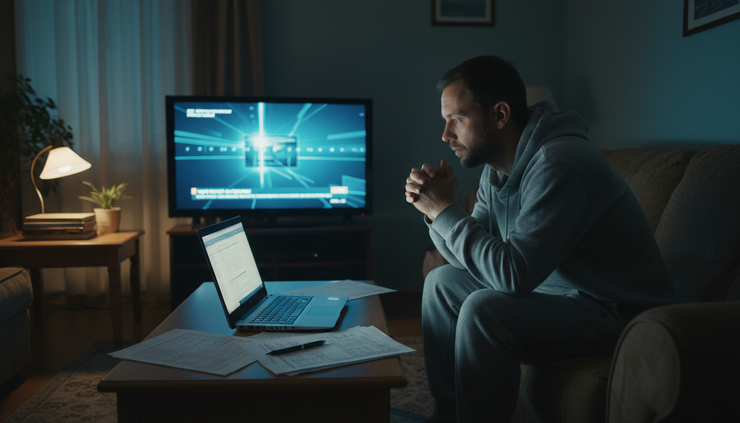
Health and science coverage needs extra caution
Medical stories show why the media war can become dangerous. Public health reporting can save lives when it explains risks clearly. It can also damage public trust when it oversells certainty, ignores conflicts of interest, or treats all dissent as ignorance.
Pharmaceutical companies, government agencies, universities, advocacy groups, and media outlets all have incentives. That does not mean every study is corrupt or every health recommendation is false. It means financial ties, study design, long-term safety data, and regulatory limits deserve careful reporting.
Coverage of vaccines, treatments, lockdowns, and emerging diseases should avoid both extremes:
Blind trust in institutions can miss errors, conflicts, and policy failures.
Treating expert opinion as final can freeze debate too early.
Overconfident headlines can create backlash when guidance changes.
Blind rejection of institutions can turn rumor into medical advice.
Treating every contrarian as a whistleblower can mislead people.
Viral claims without evidence can cause real harm.
The better path is disciplined skepticism. Ask for primary sources. Look for the difference between early data and long-term evidence. Notice whether a story separates personal choice, public policy, and medical fact.
Health content should inform, not command. It should also be clear about uncertainty. Medical decisions belong with qualified health professionals who know the individual case, not with cable hosts, influencers, or comment threads.
The strongest media diet uses tension
A healthy information diet does not mean splitting time equally between CNN, Fox News, podcasts, and X posts. It means building tension into the way information gets tested.
Read the mainstream report. Then read the independent critique. Look for the original document. Watch the raw clip when possible. Check whether the viral quote was clipped in a misleading way. See if the accused person responded. Compare the timeline.
The goal is not to become cynical. Cynicism says everyone lies, so nothing matters. That attitude makes people easy to manipulate. The goal is informed distrust, paired with patience.
A few habits help:
Slow down on breaking news
The first version is often wrong. Early reports during shootings, wars, disasters, and scandals usually contain errors. Wait before sharing.
Separate facts from interpretation
“There was a protest outside the courthouse” is different from “democracy is collapsing.” Both may appear in the same segment. Only one is a concrete claim.
Beware of emotional certainty
If a story instantly makes you furious, pause. Anger can be justified, but it also lowers your guard.
Follow people who correct themselves
A source that admits mistakes is more trustworthy than one that quietly moves on.
Keep a category for unresolved claims
Not every claim is true or false right away. Some deserve a third label: unproven.
This habit protects the mind from both official propaganda and viral fantasy.
Truth needs freedom and standards
The battle between mainstream media and alternative media is not a clean fight between villains and heroes. It is a struggle between institutions that often protect access and outsiders who often expose blind spots. It is also a struggle between professional standards and public distrust, between moderation and censorship, between open inquiry and information warfare.
Mainstream outlets should earn trust by showing their work, widening debate, correcting errors clearly, and challenging power even when that power shares their values.
Alternative media should earn trust by proving claims, naming uncertainty, correcting bad information, and refusing to turn every rumor into a fundraising pitch.
The public should demand both freedom and standards. Free speech without standards can drown truth in noise. Standards without free speech can become a velvet rope around approved reality.

The real war for the mind is not won by picking a team and defending it forever. It is won by refusing to outsource judgment. Read widely. Verify slowly. Notice omissions. Question labels. Reward honesty.
Truth survives when people are free to argue, and disciplined enough to care whether they are right.


Comments